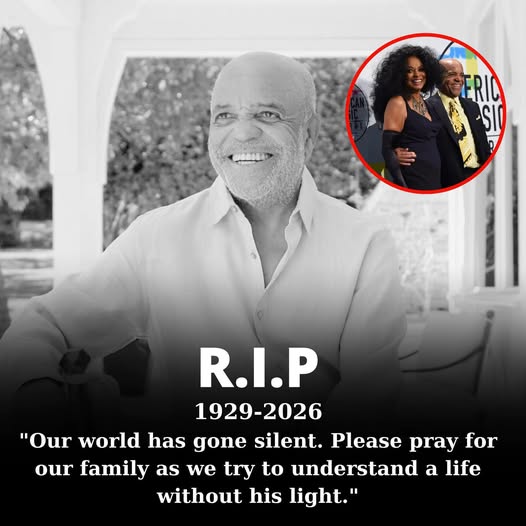
LOS ANGELES — An era has definitively closed with the death of Berry Gordy, the visionary founder of Motown Records, whose groundbreaking work did not merely produce hit records but engineered a cultural and social revolution. Gordy, 96, passed away peacefully in Michigan, his family confirmed, marking the end of a life that irrevocably reshaped the landscape of American music and society.
Gordy, a former boxer and auto worker, leveraged an $800 family loan in 1959 to create a record company that would become a beacon of Black excellence and a global phenomenon. Motown Records, based in the “Hitsville U.S.A.” house on West Grand Boulevard in Detroit, was more than a label; it was a finely tuned assembly line of talent, grooming artists from Detroit’s streets into polished international superstars.
His visionary model—a combination of intensive artist development, a peerless in-house band (the Funk Brothers), and an emphasis on cross-racial appeal—created “The Sound of Young America.” It propelled the careers of Diana Ross & The Supremes, Marvin Gaye, Stevie Wonder, The Temptations, Smokey Robinson, and countless others, racking up over 180 No. 1 hits worldwide.
“Berry Gordy built a bridge that brought Black music into the living rooms of white America, and in doing so, he helped integrate the nation’s soul during the Civil Rights era,” said cultural historian Dr. Alisha Morgan. “He didn’t just sell records; he sold a vision of joy, sophistication, and Black success that was irresistible and transformative.”
Beyond his acute business acumen, Gordy was renowned as a demanding but deeply committed mentor who shepherded raw talent into iconic personas. He instilled discipline—from choreography and etiquette to vocal technique—creating stars who could captivate any audience, anywhere.
“Berry saw something in me that I didn’t see in myself,” said Smokey Robinson, Gordy’s first songwriter and a lifelong friend. “He was a teacher, a taskmaster, and a believer. He built a family, and that family changed the world.”
Gordy’s influence expanded beyond music into film and broader entertainment, but the Motown legacy remains his towering achievement. It provided a soundtrack for social change, demonstrated the vast commercial power of Black artistry, and inspired generations of producers and entrepreneurs.
Tributes from across the worlds of music, politics, and culture have flooded in, highlighting his role as a pioneer. Fans have begun gathering outside the original Hitsville house, now a museum, leaving flowers and memorabilia in a spontaneous celebration of his life and work.
Berry Gordy’s passing marks the loss of the last great architect of 20th-century popular music. His legacy, however, is perpetually present—in the timeless songs that still fill dance floors, in the artists who followed his blueprint, and in the enduring proof that with vision, discipline, and an undeniable groove, one can quite literally make history.